Insights
Thoughts on architecture, AI, and building technology that holds up under pressure.
No large organization runs one AI deployment pattern. Most run four at once without choosing to. Here are the five, and what each is good for.
Can software architecture enable growth? See how clear boundaries, governance, and scalable decisions help leaders turn strategy into reliable delivery.
Govern AI product delivery with clear decision rights, architecture controls, and release gates that protect speed, security, and business accountability.
We built a first-year AI budget for a 500-person company. It lands near $680,000, and the seat licenses are less than a fifth of it.
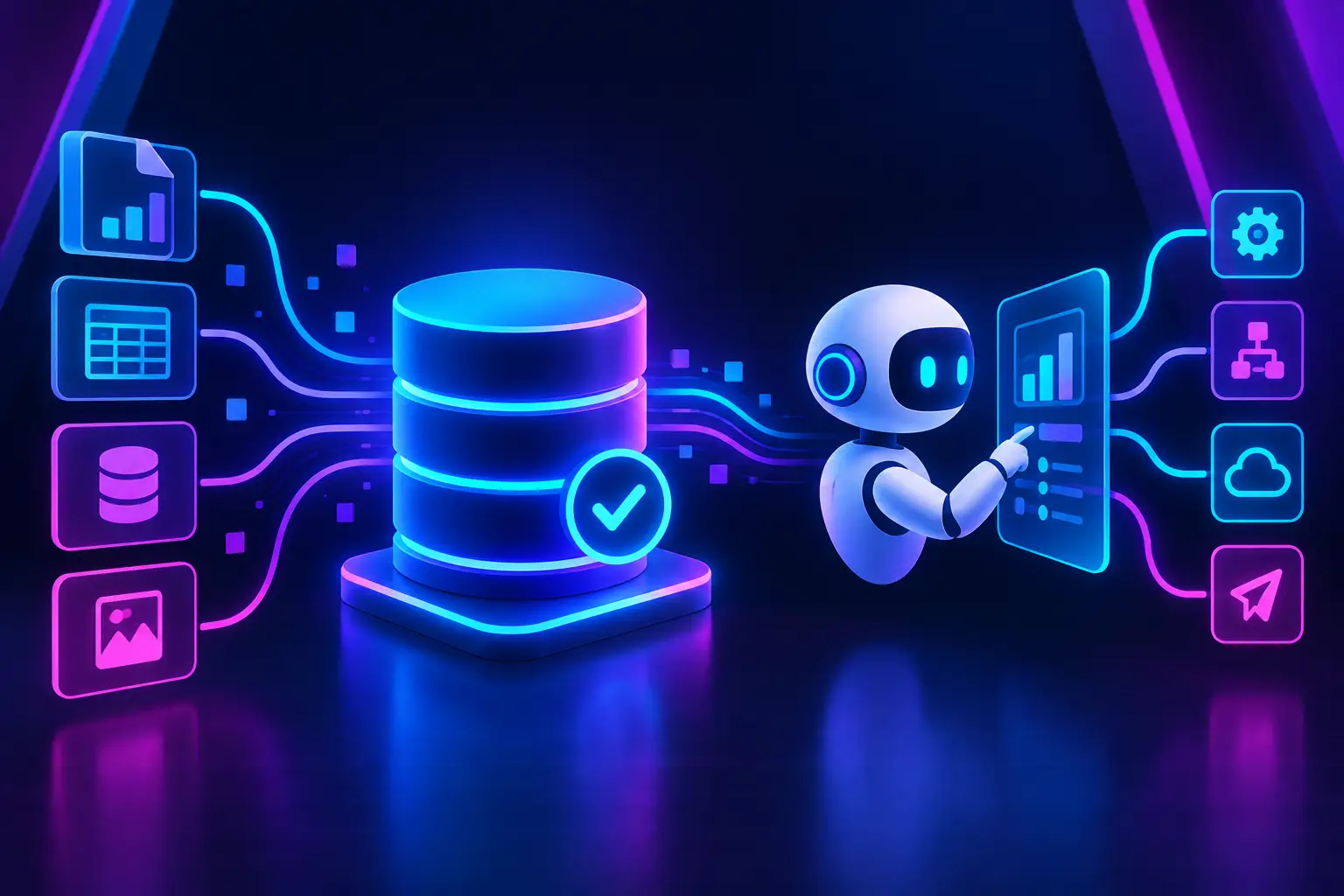
Learn how to prepare data for AI agents with ownership, usable context, access controls, and evaluation practices that support reliable action at scale.
Agentic systems trends are shifting AI from pilots to governed operations. Learn where orchestration, controls, and architecture now determine scale safely.
Claude, ChatGPT and Copilot all let employees schedule recurring AI tasks that run in the cloud with the laptop shut. None gives admins an inventory. Here is why that matters.
Learn how to align business systems so strategy, data, workflows, and software decisions reinforce accountable, reliable execution at scale across teams.
AI adoption trends are shifting from isolated pilots to governed systems. Learn what leaders must change across architecture, risk, data, and delivery now.
Solution architect vs tech lead: learn how these roles divide architecture, delivery, and technical accountability across complex software initiatives.
Use a cloud migration decision framework to align business value, risk, architecture, and operating ownership before choosing a migration path at scale.
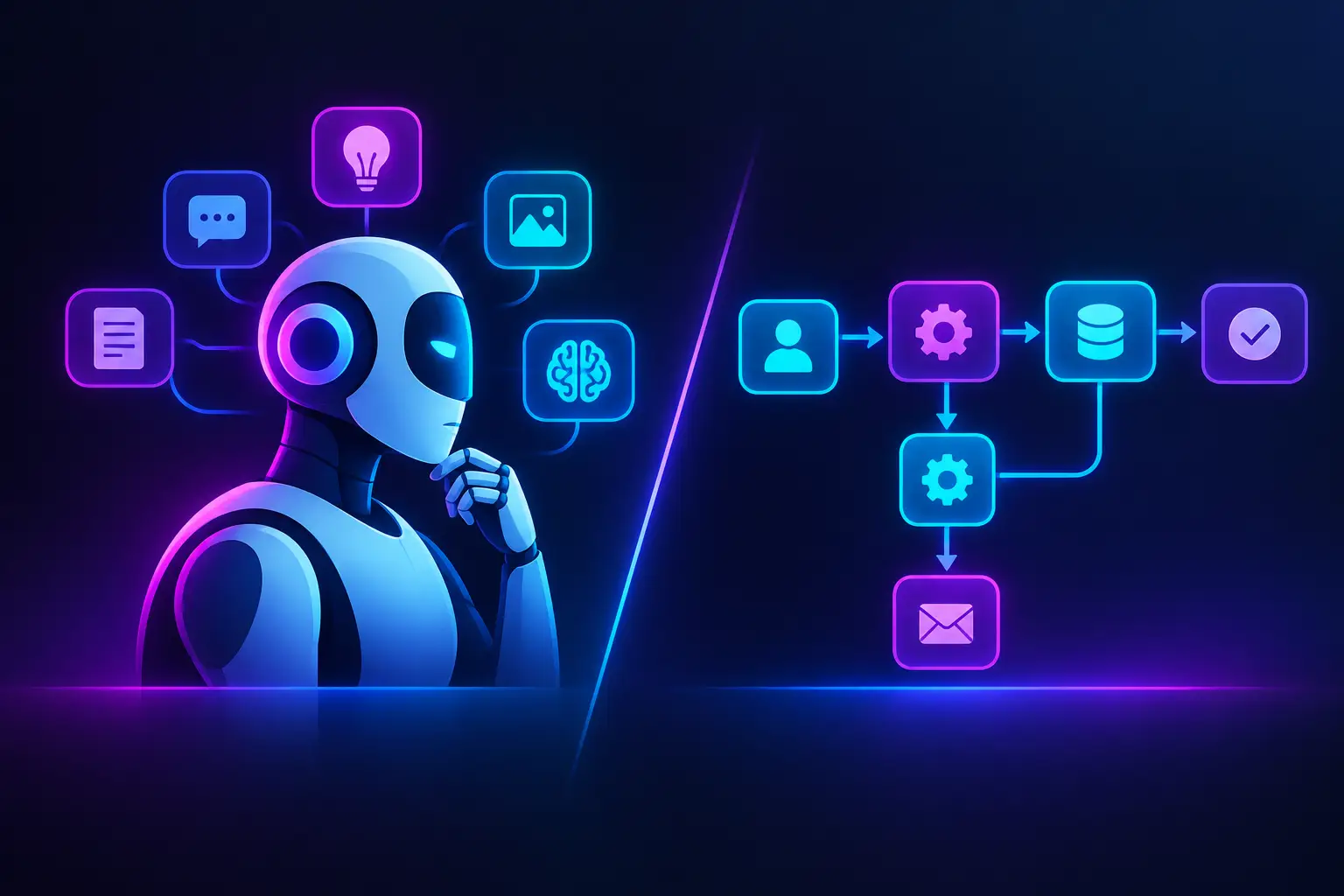
AI agents vs automation workflows: understand where each fits, the governance they require, and how to choose an operating model built for control.
An architecture advisory evaluation exposes delivery risk, aligns business intent with technical decisions, and gives leaders control before build costs rise.
Best AI integration patterns help leaders turn experimentation into governed systems with clear ownership, security controls, evaluation, and scale safely.
See an AI governance example for setting accountable ownership, policy controls, testing evidence, and escalation before production deployment at scale.
Learn how to manage cross functional technology decisions with clear decision rights, architecture governance, and accountable delivery across teams daily.
Learn how to evaluate software vendor architecture before delivery risk becomes cost, delay, or exposure. Focus on fit, control, security, and change.
Agentic orchestration using Axionic Agents gives enterprises policy control, security, auditability, and cost discipline across deployed AI workflows safely.
AI guardrails give leaders the controls to deploy intelligent systems with accountability, predictable behavior, and measurable business value at scale.
A software delivery audit reveals architecture, governance, and execution gaps before they become costly delays, rework, security debt, or failed launches.
Solution architecture turns strategy into buildable systems, giving leaders control of cost, delivery risk, quality, and change across complex programs.
A system integration governance guide for leaders who need clear decision rights, architecture control, and accountable delivery across complex platforms.
Data contracts for AI systems define the inputs, outputs, ownership, and controls that keep models reliable as products and operations change safely.
Use this platform rearchitecture planning guide to align business goals, technical decisions, delivery governance, and migration risk before rebuilding.
Learn how to scope platform architecture around business outcomes, delivery constraints, governance, and the decisions teams need before building begins.
This AI implementation case study shows how architecture, governance, and clear operating goals turn a promising pilot into a controlled production system.
Learn how to operationalize agentic workflows through clear architecture, defined authority, evaluation, and governance for reliable AI operations at scale.
Multi agent systems trends are moving enterprise AI beyond prompts toward governed workflows with architecture, controls, and clear business accountability.
Architecture metrics for executives reveal delivery risk, investment priorities, and system readiness before technical debt becomes a business crisis.
Use the best architecture review questions to expose delivery risk, align business and engineering, and govern critical technical decisions early and well.
Learn how to choose integration architecture that aligns business priorities, delivery constraints, data risk, and change without overengineering systems.
A legacy integration risk assessment reveals where interfaces threaten delivery, security, integrity, and modernization investment before changes begin.
The best software architecture deliverables turn strategy into build-ready direction, giving leaders control over scope, risk, decisions, and delivery.
Technical leadership for scaling teams aligns architecture, decision rights, and delivery governance so growth does not convert into rework, risk or delay.
Learn how to structure discovery phase work that aligns leaders, exposes constraints, and produces an architecture teams can execute with delivery control.
Technical operating model design aligns teams, governance, and architecture so complex software initiatives move from strategy to well-controlled delivery.
Executive vision to system design requires more than a roadmap. Learn how architecture, governance, and clear decisions protect delivery outcomes at scale.
A senior solution architect consultant turns strategic intent into executable architecture and governs delivery decisions that protect cost, speed, control.
Software delivery risk assessment gives leaders a structured way to expose ambiguity, govern key decisions, and protect delivery outcomes before cost rises
Learn how to define system boundaries that align business ownership, data, teams, and risk before complexity turns into delivery delay and costly rework.
Learn how to prevent architecture drift with governance, decision records, and delivery controls that keep complex software aligned with business intent.
Best practices for technical discovery align business intent, architecture, and delivery governance before costly assumptions become software rework later.
Learn how to govern multi team delivery with clear decision rights, architecture controls, and executive visibility across complex software programs now.
Learn how to document integration architecture with decision-ready diagrams, interface contracts, ownership, and governance that reduce delivery risk.
A technical debt prioritization framework helps leaders direct engineering investment toward the risks, constraints, and opportunities that affect delivery.
Learn how to govern multi team platforms with clear decision rights, shared architecture, delivery controls, and accountability that protect reliability.
A modern application integration guide for leaders aligning systems, APIs, data, and governance to reduce delivery risk and improve execution quality.
A reference architecture for AI platforms gives leaders a clear blueprint for data, models, governance, security, and delivery at scale.
A platform governance operating model defines how teams make decisions, enforce standards, and balance speed, control, and accountability.
Use this legacy modernization roadmap template to align business goals, architecture choices, governance, and delivery sequencing.
Learn the top software delivery failure causes, why projects slip, and how stronger architecture and governance reduce cost, delay, and risk.
Stakeholder alignment in software projects reduces delivery risk, clarifies decisions, and keeps strategy, architecture, and execution on track.
A clear view of the best enterprise integration patterns, when to use each one, and how the right choice reduces delivery risk and complexity.
A strategic guide to the best AI system design patterns, with trade-offs, governance concerns, and architecture choices that reduce delivery risk.
Learn how to govern engineering execution with clear architecture, decision rights, delivery controls, and oversight that reduce risk.
Enterprise application integration guide for leaders planning system alignment, architecture, governance, and delivery across complex platforms.
Learn how to create architecture decision records that clarify trade-offs, align teams, and improve delivery governance across software projects.
Platform modernization vs rebuild is a strategic decision. Learn how to assess cost, risk, speed, and architecture fit before you commit.
Learn how to scope software architecture with clear boundaries, decision criteria, and governance that reduce risk and keep delivery aligned.
Best practices for architecture governance help leaders align strategy, control delivery risk, and keep technical decisions consistent at scale.
A software project technical roadmap aligns business goals, architecture, and delivery decisions so teams reduce risk and build with clarity.
Architecture review services help leaders reduce delivery risk, align business goals with technical decisions, and improve execution control.
Build governance vs project management: understand where delivery control ends, architectural oversight begins, and why both matter in complex software.
AI integration architecture trends are shifting toward governance, orchestration, and control. See what leaders should prioritize next.
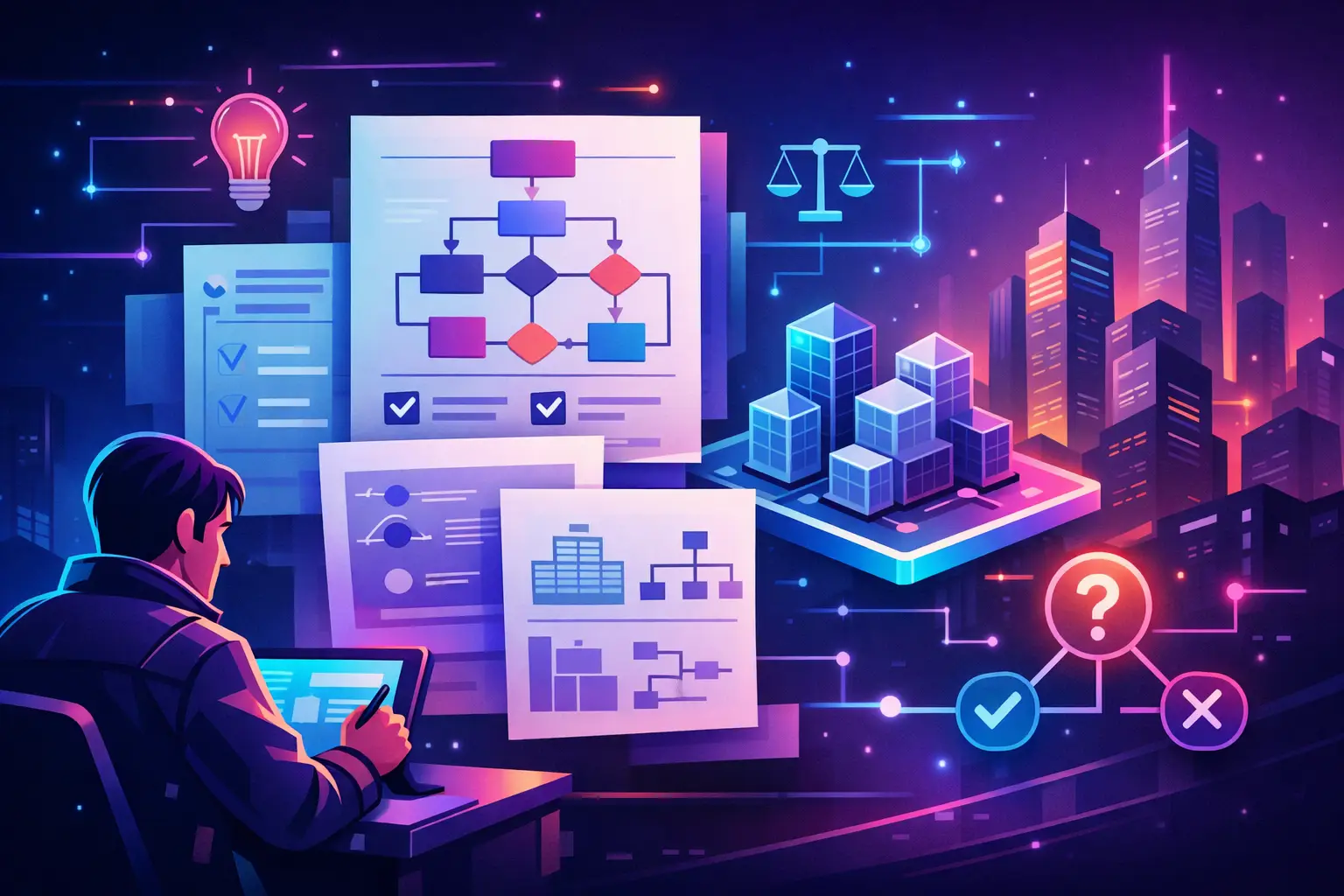
A technical decision making framework helps leaders align architecture, risk, cost, and delivery so teams make faster, clearer, better bets.
Solution architect vs software architect: understand scope, decision rights, and when each role is needed to reduce delivery risk and improve execution.
Software architecture services reduce delivery risk by aligning business goals, system design, and execution governance before projects drift.
Agentic workflow architecture defines how AI agents operate with control, governance, and accountability across business-critical systems.
An application modernization strategy guide for leaders who need clear priorities, sound architecture, and delivery governance to reduce risk.
AI readiness for legacy systems starts with architecture, data control, and governance so modernization efforts deliver value without added risk.
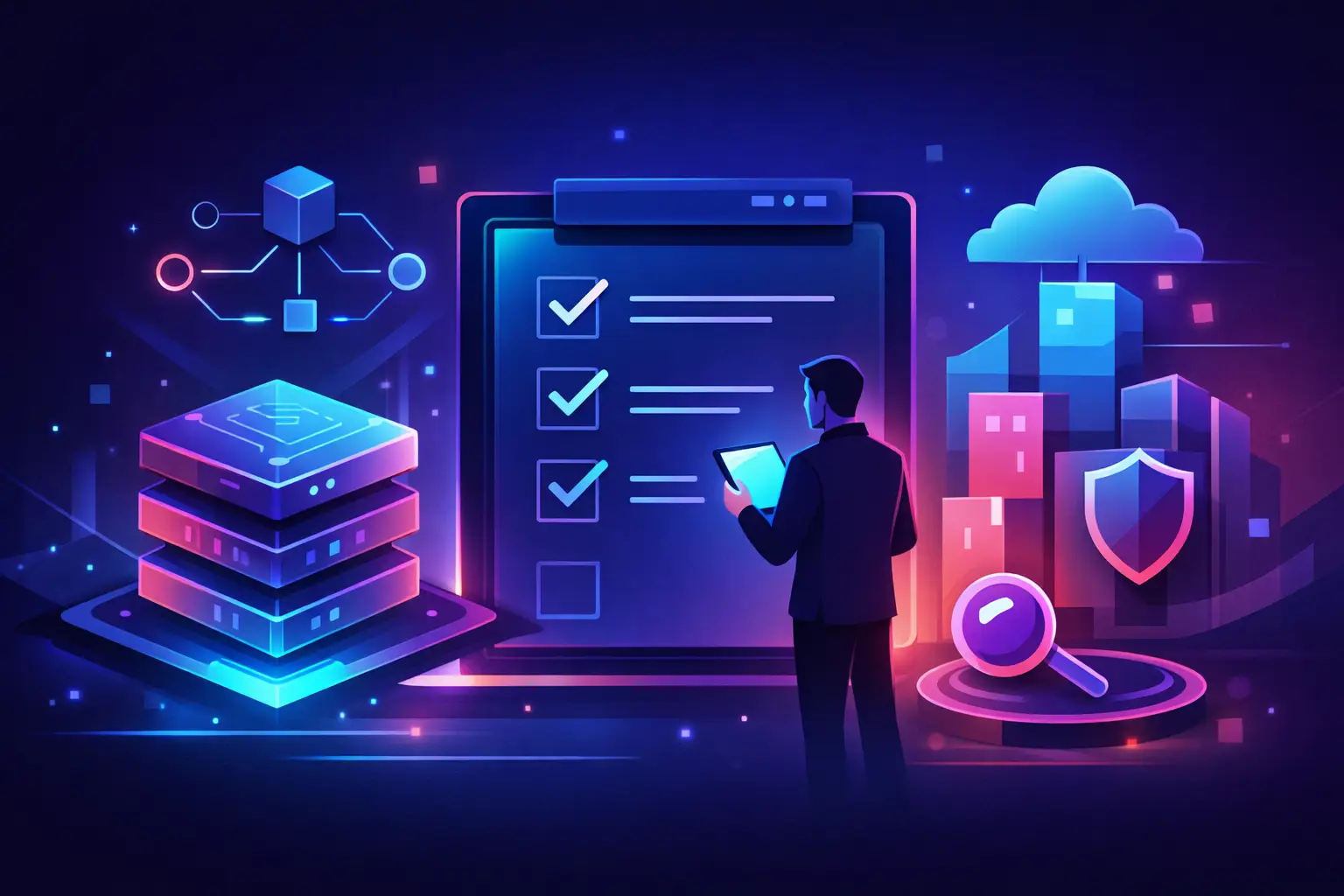
Use this software architecture review checklist to assess risk, align systems to business goals, and improve delivery control before build issues grow.
AI adoption governance guide for executives building AI with control, accountability, risk discipline, and clear delivery standards.
Learn when do you need a software architect, the warning signs to watch for, and how architecture leadership reduces delivery risk and waste.
Learn how to plan AI integration with clear goals, architecture, governance, and delivery controls that reduce risk and improve outcomes.
Learn how to align business and engineering with clear goals, architecture, and governance that reduce delivery risk and improve execution.
AI agents in enterprise architecture can improve speed and control, but only when governance, boundaries, and system design are clear.
AI architecture consulting services give leaders technical structure, governance, and delivery clarity when AI initiatives carry real cost and risk.
Cross functional technical alignment reduces delivery risk by turning strategy, product, and engineering intent into clear architecture and execution.
A software modernization architecture plan aligns business goals, system design, and delivery governance to reduce risk and improve execution.
Learn how product requirements to system architecture translation reduces delivery risk, aligns teams, and creates systems built for control.
Architecture oversight during implementation keeps teams aligned, controls risk, and protects delivery quality as strategy turns into working software.
Technical due diligence for software projects helps leaders expose delivery risk, validate architecture, and protect investment before build.
Digital transformation architecture strategy aligns business goals, systems, and delivery governance to reduce risk and improve execution outcomes.
Learn how to reduce software delivery risk with stronger architecture, governance, scope control, and team alignment before code creates delay.
An enterprise system design consultant aligns strategy, architecture, and delivery to reduce risk, improve control, and guide complex software builds.
Learn when fractional software architect services make sense, what they should own, and how they reduce delivery risk across complex builds.
A technical blueprint for software project success aligns strategy, architecture, and delivery so teams build with clarity, control, and less risk.
A software delivery governance framework aligns strategy, architecture, and execution to reduce risk, improve accountability, and delivery.
Business to technical translation turns strategy into executable architecture, reducing delivery risk, rework, and misalignment.
Software architecture governance aligns business goals, technical decisions, and delivery control to reduce risk, speed execution, and improve outcomes.